
According to information provided by the Agency’s representatives, locations such as Ploiesti, Arad, Satu Mare, Timisoara and Cugir are closed in terms of foreign investments, due mainly to a lack of property for construction and a labor force. “Space in industrial parks are going like hotcakes, and not at low prices. Investors are willing to pay because they know all utilities will be available,” according to a statement yesterday by ARIS Vice President, Monica Barbuletiu. The ARIS official went on to say that there are areas that are very well developed in terms of investment projects, such as western and southern Romania, as well as areas where there are few investors. “Harghita and Covasna are bypassed by investors, due to poor infrastructure,” said ARIS Director, Sorin Vasilescu.
Major investments and transfers of modern technology are expected in 2008, especially in the southwest of the country. Vasilescu estimates that foreign investments will reach an annual €6 bln until 2012. This year’s main projects include Honsel, in the auto industry in Slatina, and mobile phone company, Nokia, in Cluj.
ARIS representatives are not concerned about an effect on the level of investments due to a rise in costs of Romania’s labor force. “The difference in salaries in Romania and those of other states in the region, such as the Czech Republic, will persist, even if the average salary in Romania reaches 500 lei per month (some €142), as these will be rise on other markets as well. We are not afraid of an increase in the cost of the work force,” added Vasilescu.
He went on to say that one of the agency’s strategies for next year will be to attract non-European investors, especially from India, Korea, Indonesia, China, Azherbaijan, Turkey, and Israel. “European investments are coming automatically. We must focus our interest on non-EU states,” said Vasilescu. He also indicated that some 80 percent of investment projects are from European countries. Last year, Romania had direct foreign investments worth €9 bln, which includes the price paid for the privatization of Romania’s largest bank, Banca Comerciala Romana (BCR).
ARIS: Foreign investments worth an annual €6 bln until 2012
Publicat la 11.12.2007, 22:00:00

DiscoverUrmărește pe DiscoverGoogle NewsUrmărește pe Google NewsSursă preferatăAdaugă ca sursă preferată
Articole înrudite
Actualitate
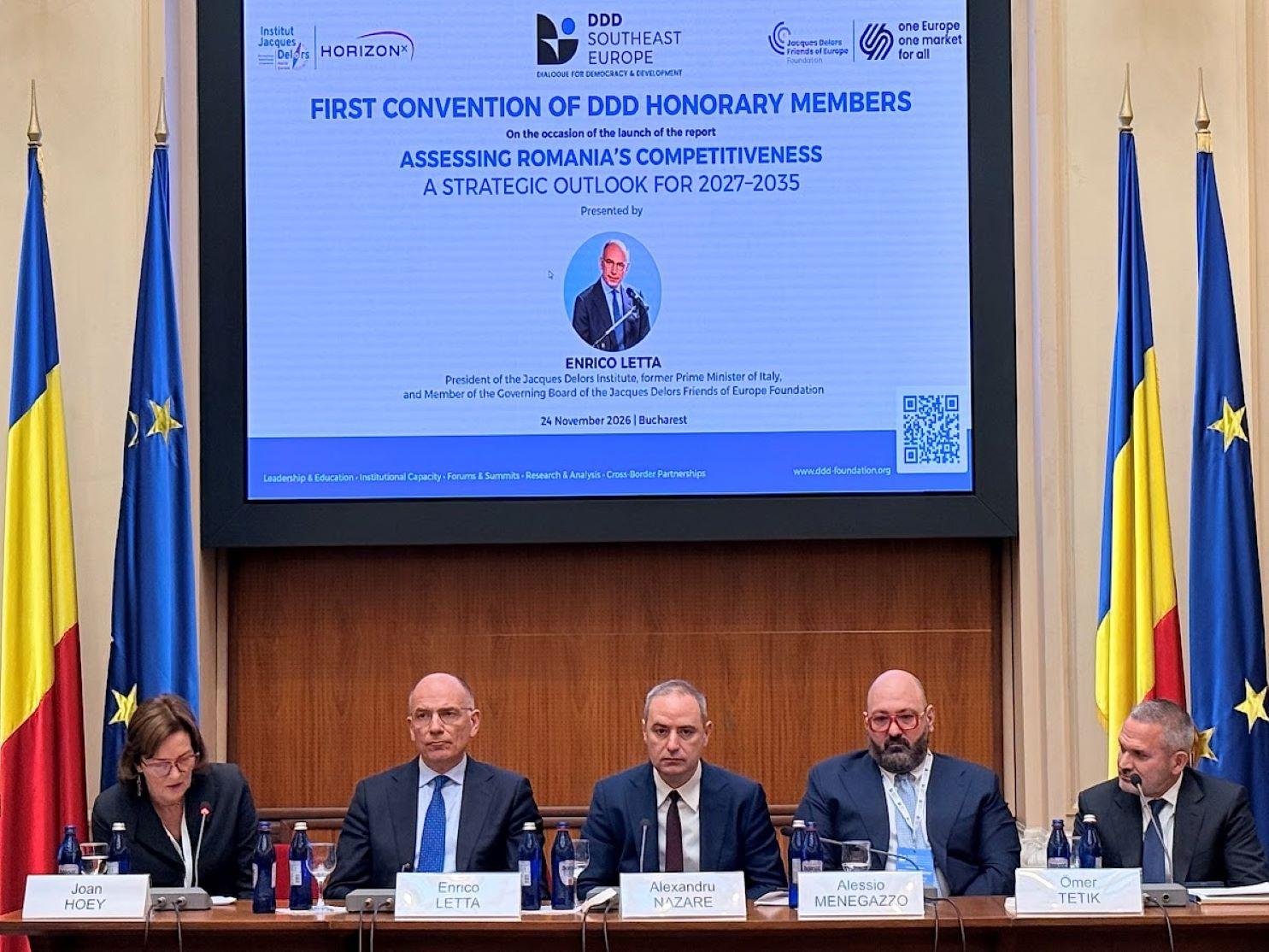
România are nevoie de o schimbare de model economic. Strategia 2027–2035 propusă de Enrico Letta: inovare, energie și investiții cu valoare adăugată
Actualitate
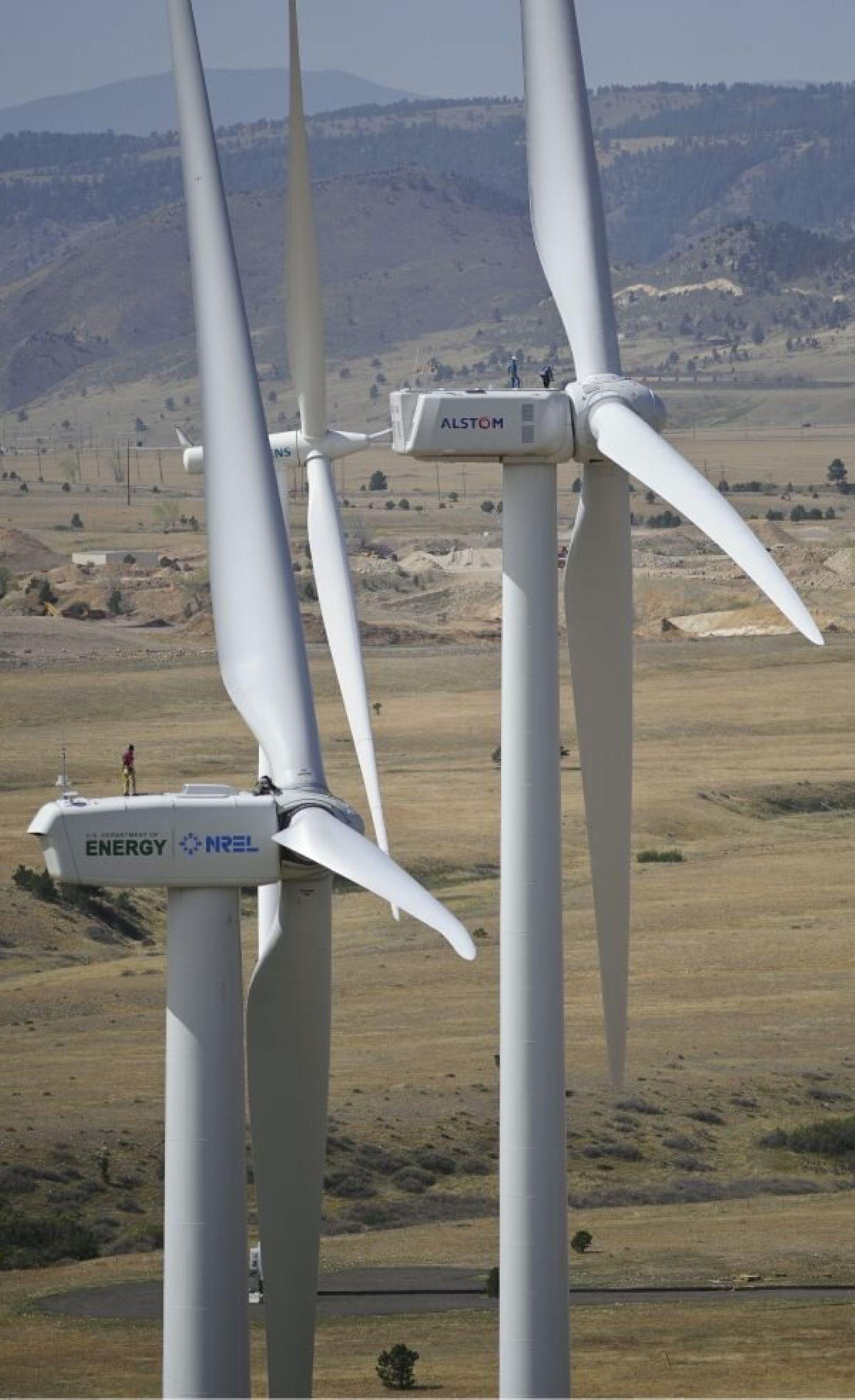
Investiții de peste un miliard de euro în România. Baterii de stocare și noi parcuri solare și eoliene până în 2030

Actualitate
Autostrada A7 atrage deja investiții serioase. Un parc industrial de 16 hectare prinde contur la Râmnicu Sărat
Cele mai citite
- 1Judecătorii decid săptămâna viitoare dacă se schimbă formula de calcul a pensiei. Ce riscă și ce pot câștiga pensionarii
- 2ANAF pierde o bătălie fiscală de 80 de milioane de euro! Firma olandeză care a explorat gazele din Marea Neagră a câștigat procesul
- 3INCENDIU DEVASTATOR ÎN POIANA BRAȘOV! Cel mai mare resort hotelier din zonă, cuprins de flăcări. Pompieri din mai multe județe, mobilizați de urgență
- 4A murit Dudu Georgescu, unul dintre cei mai mari atacanți din istoria României. Legenda lui Dinamo s-a stins în Canada, la 76 de ani
- 5Impozitul minim pe cifra de afaceri dispare! Guvernul elimină impozitul de la 1 ianuarie 2027. Ce se schimbă pentru companiile din România