„Chemotherapy and radiotherapy were not necessary" - how a 35-year-old Romanian woman avoided unnecessary treatment through a second opinion abroad
As part of the series "Diagnosis and Treatment Abroad: Real Stories of Romanian Patients," published on Money.ro in collaboration with tratamentestrainatate.ro, today we present Maria's story - a real case that illustrates what access to an international multidisciplinary medical team means in practice, and why a second opinion abroad - meaning the evaluation of a medical file by a specialist from a top international center, independent of the attending physician - costs less than most Romanians believe.
At 35, after a total hysterectomy, she was told to find her own oncologist. A doctor in Vienna changed her life: "Chemotherapy and radiotherapy were not necessary"
Maria's story shows the real difference between a good doctor and a multidisciplinary team working under mandatory protocols — and why the cost of an international second opinion is lower than most Romanians think.
By the editorial team at Money.ro | Interview with an international medical facilitation consultant from tratamentestrainatate.ro
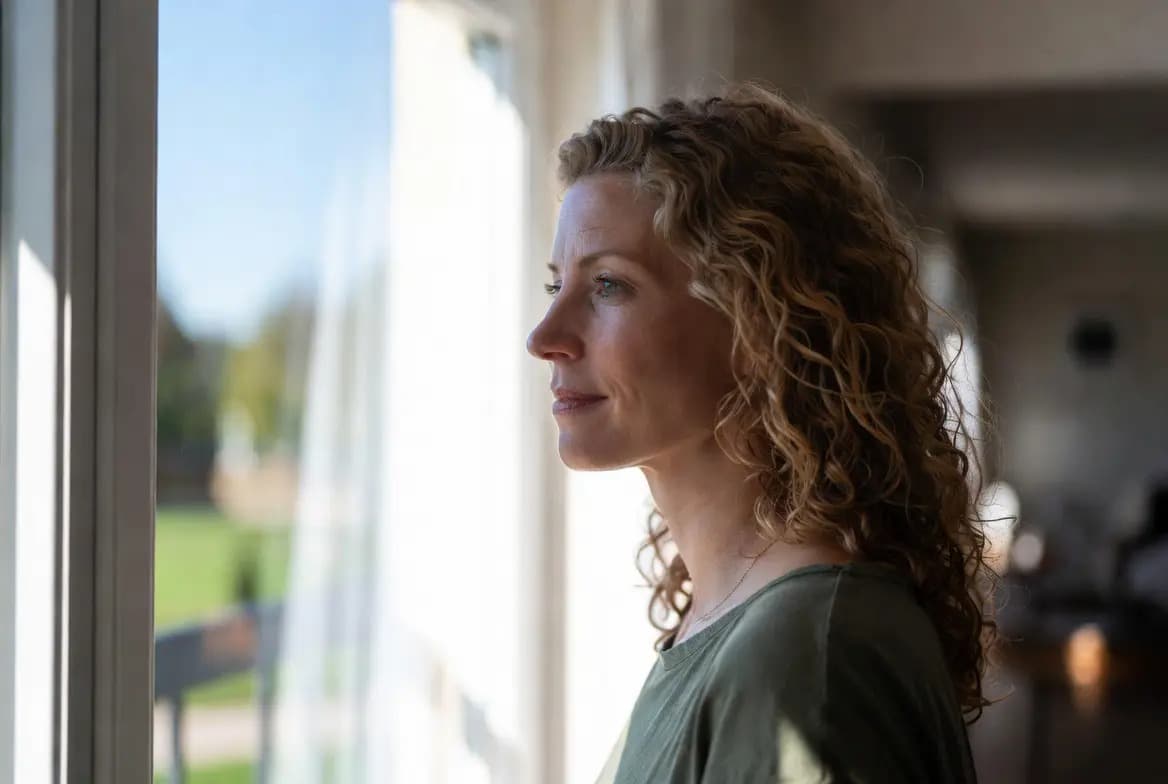
Maria was 35 when she left the operating room. The total hysterectomy had been successful. The tumor had been removed. The doctors were satisfied with the procedure. But in the recovery room, her family received advice that left them speechless. "Find yourselves an oncologist. Preventive chemotherapy and radiotherapy will be necessary." That was all. No explanations. No next steps. No one to coordinate what would follow.
She contacted an international medical facilitation consultant. What followed spared Maria months of treatment she did not actually need.
"It's not about better or worse doctors"
Money.ro: How would you describe Maria's situation when she contacted you?
Consultant: Maria was in a situation we encounter frequently. The surgery had been well performed. The surgeon was competent and dedicated. The problem was not the doctor. It was the lack of a coordinated system after surgery.
In modern oncology, surgery is not an isolated event. It is one step in a process managed by a team — one that makes decisions before, during, and after surgery. That team was exactly what Maria was missing.
Money.ro: What does a multidisciplinary team actually mean?
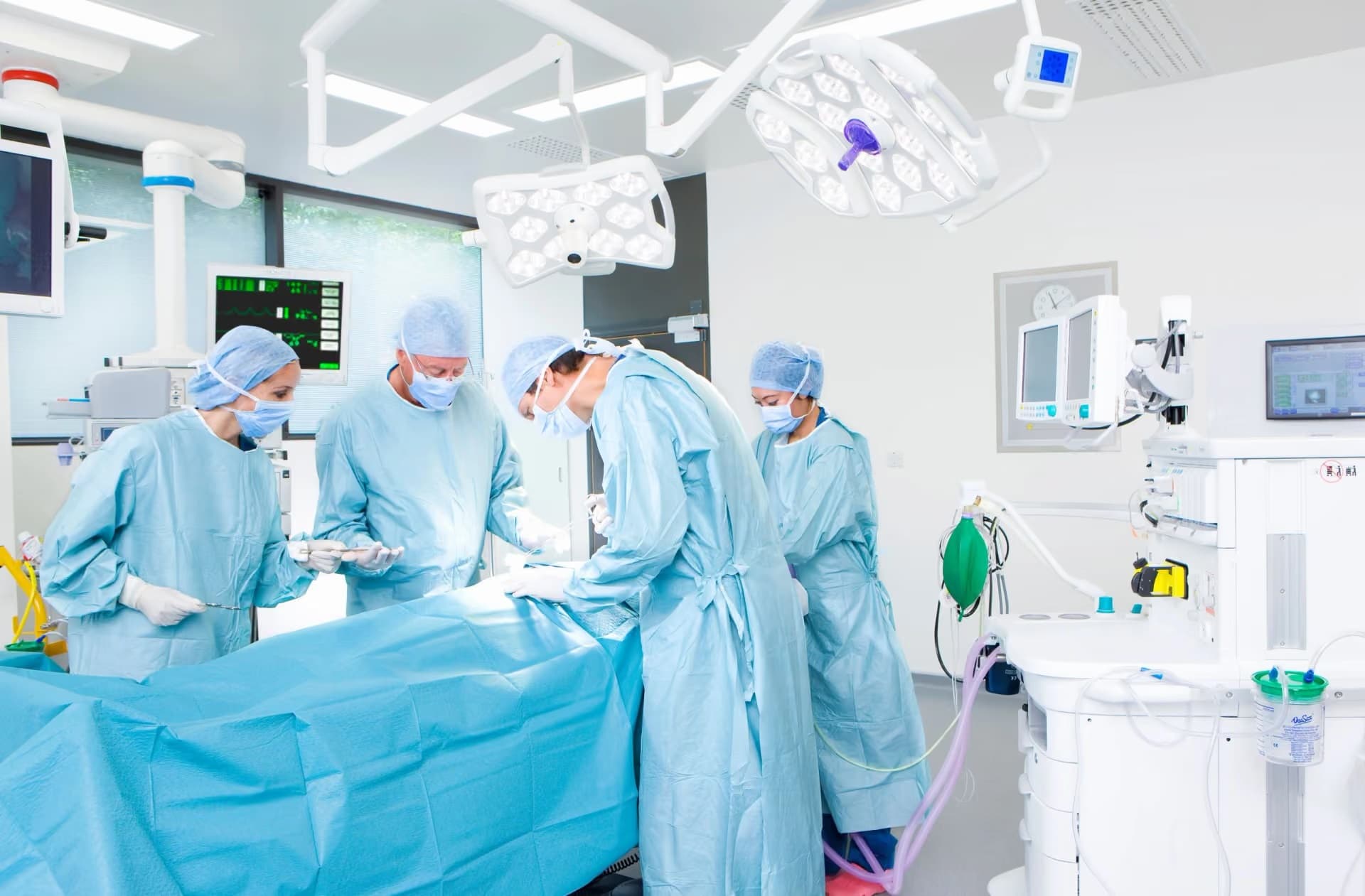
Consultant: In top international centers, every oncology case is mandatorily discussed in a tumor board — a case meeting where the following specialists are present simultaneously: the coordinating oncologist, the surgeon, the pathologist, the imaging specialist, and when necessary, a radiotherapist or geneticist.
The decision is not made by a single person. It is made by the entire team, based on all available information, according to a mandatory medical protocol. These protocols are based on ESMO and NCCN guidelines — developed by thousands of oncologists worldwide. Hospitals ranked in Newsweek's World's Best Hospitals follow them for every cancer type.
They eliminate variability — meaning the risk that decisions are based on incomplete information or the absence of a specialized second perspective.
Vienna: the same case, a different conclusion
Money.ro: What happened when Maria reached a specialist in Vienna?
Consultant: We facilitated an appointment with one of the most recognized and awarded oncologists specializing in gynecologic oncology in Austria. Maria's case was fully reviewed by a multidisciplinary team — histopathology, imaging, all medical documents.
The conclusion was clear. Given the type of hysterectomy, the histological profile, and the staging, preventive chemotherapy and radiotherapy were not indicated in Maria's case.
Money.ro: How did Maria react?
Consultant: She cried. And so did her family. Maria had mentally prepared herself for months of chemotherapy and radiotherapy at the age of 35 — with everything that entails for a young body, her professional life, and her future plans. And suddenly, the doctor told her she didn't need any of it.
Several years later, everything is fine
Money.ro: Where is Maria today?
Consultant: Maria is monitored every 3–6 months by the same doctor in Vienna. At every evaluation, everything is normal. She did not undergo chemotherapy. She did not undergo radiotherapy. She followed proper oncological monitoring, according to the protocol indicated for her situation.
Money.ro: What if she had followed the initial recommendation?
Consultant: She would have gone through aggressive treatment — with all the side effects it entails for a 35-year-old woman: severe fatigue, nausea, risk of long-term complications, and a major impact on quality of life. All of this without proven medical benefit in her specific case.
I am not saying the initial recommendation came from intentional error. It came from a context where the attending physician did not have all the information filtered through a multidisciplinary team and standardized protocol. This is a difference in systems — not in people.
In short — what tratamentestrainatate.ro can do in similar cases:
✓ Facilitate the online transfer of her medical file to a specialist in Vienna
✓ Organize case discussion in an international tumor board
✓ Obtain the team's written opinion within less than 24-48 hours
✓ Translate and explained the recommendations in Romanian
✓ Continue monitoring the case every 3–6 months
How much does an international second opinion actually cost?
Money.ro: Many Romanians believe access to top doctors in Vienna or Israel is financially prohibitive. Is that true?
Consultant: This is one of the most common myths we encounter. And I understand why — instinctively, "Vienna" or "Israel" sounds expensive. The reality is much more nuanced.
In Maria's case, the first step was reevaluating her existing medical file — histopathology, MRI, surgical documents. In certain cases, this can be done entirely online, without any travel. Documents are sent digitally, the doctor reviews them, the team discusses the case in a tumor board, and a written opinion is issued. The cost of an international second opinion with a top oncologist, the consultation — maybe a clinic director, internationally recognized — is between €300 and €800. That's all.
Money.ro: What if physical travel is necessary?
Consultant: Even then, costs are far more accessible than people imagine. A round-trip flight from Bucharest to Vienna costs between €100 and €300, depending on timing. Accommodation near the clinic can be found for €50–€100 per night.
So we are talking about a 1–2 day trip for a physical consultation, with a total cost of €500–€1,200, including in some cases transport, accommodation, and consultation.
Money.ro: Are there additional investigation costs?
Consultant: Sometimes, yes. If the medical team considers additional investigations necessary — such as biopsy reevaluation by the center's pathologist or reinterpretation of MRI or PET-CT scans — these involve extra costs. However, prices are generally comparable to private clinics in Romania for the same type of investigations. It's important to understand: these costs are an investment in medical certainty, not luxury.
In Maria's case, the total cost of the international second opinion process was incomparably lower than the financial and human cost of months of unnecessary chemotherapy and radiotherapy.
Money.ro: Are reimbursements possible?
Consultant: Yes. Patients insured through CNAS can access the S2/E112 form for treatment in EU clinics — including Austria — if treatment cannot be provided in time in Romania. Additionally, Law 186/2022 allows access to certain oncology medications available in the EU but not reimbursed in Romania.
Money.ro: What advice would you give to a woman currently in Maria's situation?
Consultant: Before starting any post-operative oncological treatment — ask for a second opinion. Not because your doctor is wrong. But because you deserve to know that the decision was made with all available information, by a team, according to an international protocol.
The cost of this service may be much lower than you think. And it may be the most important thing you do for your long-term health. Maria's case is not unique. We encounter it regularly. And every time it happens, I am reminded why tratamentestrainatate.ro exists. If you would like to learn more about diagnosis and treatment abroad or request a case evaluation, the tratamentestrainatate.ro team is available 24/7 at +40 754 225 262.
What is tratamentestrainatate.ro
tratamentestrainatate.ro is a Romanian company facilitating access to international medical services. It connects Romanian patients with centers ranked in Newsweek World's Best Hospitals 2026 in Israel, Austria, Turkey, and the USA — for online oncology second opinions, international tumor board coordination, NGS molecular testing, and full treatment organization when travel is required.
More information about medical facilitation services and oncological conditions treated abroad is available on the website.
Maria is a real patient whose case has been anonymized. tratamentestrainatate.ro is an administrative and logistical facilitation company — it does not provide medical services and does not establish diagnoses or treatments.
Acest articol nu reprezintă consultanță financiară.
Newsletter zilnic money.ro
BET, curs valutar, știrea zilei — în 2 minute, înainte de 7:00.






![[P] Aleze absorbante pentru incontinență: cum alegi produsul potrivit pentru un confort real](/_next/image?url=https%3A%2F%2Fmoney-ro-cdn.sorin-freciu.workers.dev%2Fstorage%2Fv1%2Fobject%2Fpublic%2Fmedia%2Farticles%2F1787897449276-4kv5shig3ns.jpg&w=1920&q=75)