

The situation is even worse in annual terms, with agriculture the only sector that managed to register positive results. On average, gross domestic product (GDP) fell by an annual 7.4 percent in the first nine months of this year. The annual decline was 7.1 percent in the third quarter, and data provided by Eurostat indicates that Romania registered the fifth-sharpest drop in GDP in the European Union, while Poland is the only EU member whose economy is still growing.
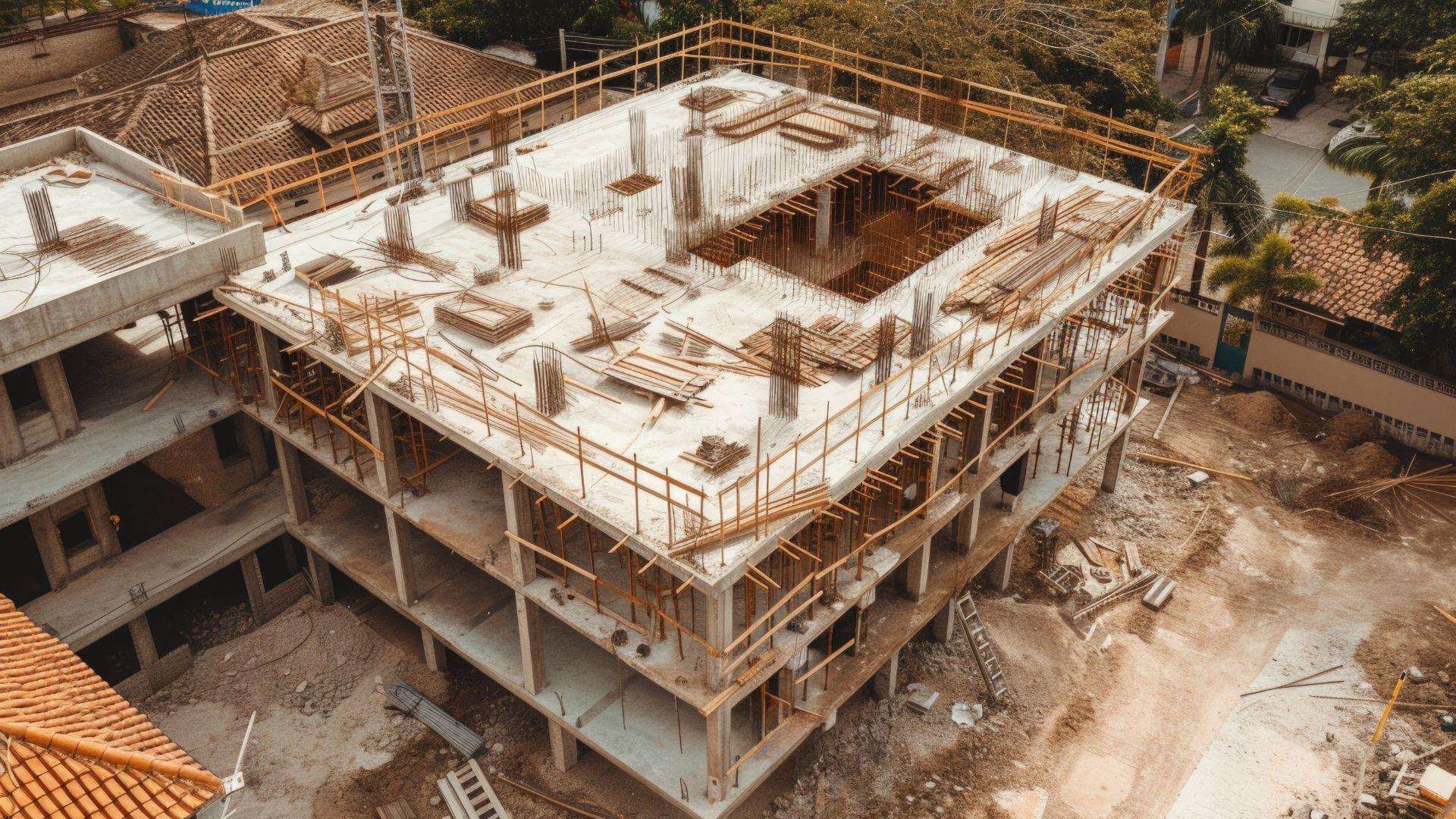
While agriculture rose by an annual 2.4 percent in the third quarter, the construction sector registered the sharpest decline, of 17.4 percent, followed by net taxes (-14.9 percent), and trade (-11.3 percent). In monetary terms, GDP amounted to RON 127.78 billion (€30.2 bln) in the third quarter, with the average exchange rate in the July-September 2009 period at RON 4.2247/€1.
GDP dropped 0.6 percent in Q3 compared to Q2. In quarterly terms, Romania has more sectors in the black, with agriculture still leader, with 15.1 percent growth. Industry ranks second, with a 3.6 percent increase. In fact, analysts said that industry already emerged from recession, but the same cannot be said about agriculture, due to its seasonal nature. INS also presented data on the evolution of the economy in the first three quarters of this year. In current prices, the value of GDP in the first nine months was RON 334.23 bln. Romania’s GDP in current prices is estimated at RON 497.3 bln in 2009. The International Monetary Fund (IMF) revised its forecast for a decline in the economy in 2009 to 7.5-8 percent from 8.5 percent, and expects a slow recovery in 2010. At the EU level, the steepest annual declines in GDP were registered by Estonia (15.3 percent), Lithuania (14.2 percent), Slovenia (8.5 percent), and Hungary (8 percent). Poland was the only country that posted economic growth, of one percent. The entire European Union registered a drop of 4.3 percent in the third quarter, while the euro zone declined 4.1 percent, according to Eurostat. The most significant increases in Q3 compared to Q2 were registered by Lithuania (6.1 percent), Slovakia (1.6 percent), Slovenia (1 percent), Portugal and Austria, 0.9 percent each.
The crisis is over for agriculture, and industry is next
Publicat la 03.12.2009, 22:00:00

DiscoverUrmărește pe DiscoverGoogle NewsUrmărește pe Google NewsSursă preferatăAdaugă ca sursă preferată
Articole înrudite
Actualitate
De ce Europa vrea să scape de dependența de China în industria bateriilor. Ce se poate întâmpla cu prețul mașinilor electrice

Actualitate
Autostrada A7 atrage deja investiții serioase. Un parc industrial de 16 hectare prinde contur la Râmnicu Sărat
Actualitate
România, printre țările UE cu cele mai mari scăderi ale producției industriale. Minus 6,3%
Cele mai citite
- 1Judecătorii decid săptămâna viitoare dacă se schimbă formula de calcul a pensiei. Ce riscă și ce pot câștiga pensionarii
- 2ANAF pierde o bătălie fiscală de 80 de milioane de euro! Firma olandeză care a explorat gazele din Marea Neagră a câștigat procesul
- 3INCENDIU DEVASTATOR ÎN POIANA BRAȘOV! Cel mai mare resort hotelier din zonă, cuprins de flăcări. Pompieri din mai multe județe, mobilizați de urgență
- 4Impozitul minim pe cifra de afaceri dispare! Guvernul elimină impozitul de la 1 ianuarie 2027. Ce se schimbă pentru companiile din România
- 5A murit Dudu Georgescu, unul dintre cei mai mari atacanți din istoria României. Legenda lui Dinamo s-a stins în Canada, la 76 de ani